
Sourcing Evaluation: Liebherr Concrete Technology & Heavy Equipment
An expert 15-year procurement audit of Liebherr’s concrete batching technology. We evaluate proprietary mixing kinetics, wear metallurgy, and the real-world operational bottlenecks of investing in high-end European machinery.

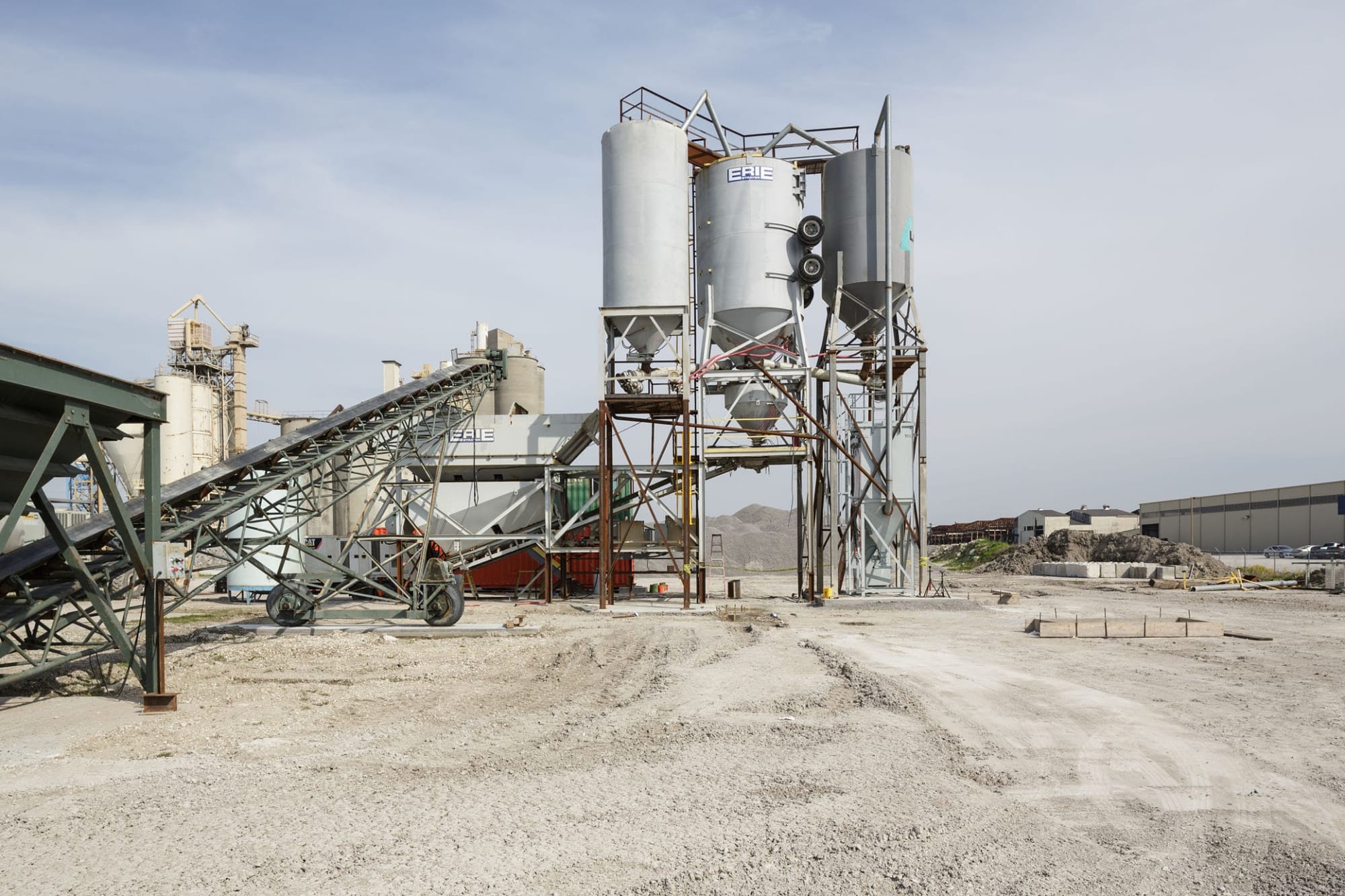
A 15-Year Procurement Veteran’s Field Guide to Real-World Bottlenecks and Lifecycle TCO
Having spent fifteen years negotiating capital expenditures (CapEx) for high-output batching systems and multi-million dollar crawler cranes, I’ve learned one golden rule: look past the glossy German engineering brochures. On a high-pressure construction site, an asset's true value isn't measured by a marketing slide deck. It is measured by operational uptime, wear life, and how painful its supply chain becomes when something goes wrong.
Among premium heavy machinery brands, Liebherr commands the absolute top tier. While field engineers often treat it as the gold standard for precision, purchasing a Liebherr asset requires a cold financial assessment of its unique technical architecture and hidden logistical realities.
Based on my direct sourcing audits, here is what you need to know before signing the purchase order.
1. The Reality of Liebherr’s Vertical Integration
To understand Liebherr's pricing logic, you have to look at how they build their machines. Unlike competitors like Caterpillar, Sany, or Zoomlion—who buy a massive amount of third-party components—Liebherr designs and builds almost everything in-house. They manufacture their own hydraulic pumps, custom heavy-duty gearboxes, slewing drives, and even the Litronic PLC software architectures.
The Operational Impact:
- The Sourcing Advantage: Because the hardware and software are built under one roof, component compatibility is flawless. In the field, this translates to fewer electrical communication errors, highly responsive hydraulics, and structural longevity that outlasts almost any other brand.
- The Single-Source Trap: This closed ecosystem creates a monopolistic aftermarket supply chain. If a proprietary Liebherr hydraulic pump or control module blows during a critical, time-sensitive concrete pour, you cannot simply source a generic Rexroth or Danfoss replacement from a regional distributor. You are completely at the mercy of Liebherr’s OEM supply chain, which strips you of any local bargaining power.
2. Technical Deep-Dive: Betomix & Mobilmix Batching Plants
In high-spec infrastructure projects like hydro dams, nuclear power facilities, and airport runways, Liebherr’s concrete division remains a dominant force. When evaluating their Betomix (Stationary) and Mobilmix (Mobile) plants, the high upfront price tags are driven by three distinct engineering realities:

A. Proprietary Mixing Kinetics: DW Twin-Shaft & RIM-M Ringpan Mixers
For high-performance concrete, such as Self-Consolidating Concrete (SCC) or heavily reinforced fiber mixes, Liebherr’s mixing geometry is unmatched. The counter-current three-dimensional mixing action of their DW Twin-Shaft mixer achieves rapid homogeneity.
More importantly, Liebherr’s proprietary planetary gearboxes are built to absorb massive torque spikes when starting under full load—a common failure point in lower-tier mixers where third-party gearboxes frequently shear their input shafts.
B. Elite Wear Metallurgy: HBW 600+ Liners
A common mistake among junior buyers is evaluating a mixer solely on initial CapEx, completely ignoring downstream operating expenses (OpEx).
- Standard Industry Mixers: Typically utilize medium-chromium liners, yielding a service life of roughly 30,000 to 50,000 $m^3$ of standard concrete before requiring a maintenance shutdown.
- Liebherr OEM Wear Parts: Liebherr uses a high-chromium, nickel-alloy chilled cast iron with a surface hardness rating exceeding 600 HBW (Brinell Hardness). In my tracking of ready-mix operations, these liners routinely cross the 100,000 to 120,000 $m^3$ throughput mark before replacement.
Additionally, the streamlined shape of their mixing arms prevents concrete accumulation around the shaft, which directly cuts down on daily manual chipping labor.
C. Litronic-MPS Control & Moisture Compensation
The real brain of the plant is the Litronic-MPS microprocessor system. Instead of standard PLCs that use simple weight targets to open and close aggregate gates, Litronic uses predictive algorithms to adjust gate-closure pre-act values on the fly.
When paired with Liebherr's in-bin microwave moisture sensors, the system scans material moisture multiple times per second and adjusts the water-to-cement ratio in real time. For commercial ready-mix suppliers, this precision stops "over-cementing" (which destroys margins) while ensuring strict engineering compliance.
3. Hard Truths: What the Sales Brochure Leaves Out
Despite the premium engineering, running Liebherr machinery comes with distinct field vulnerabilities that your risk mitigation strategy must account for:
I. Severe Lead Times for Proprietary Electronics
If your project is located in remote regions across parts of Africa, Central Asia, or South America—far from a primary Liebherr logistics hub—wait times for specialized parts like Litronic communication cards or specific hydraulic solenoids can span 7 to 14 days. On an infrastructure project where downtime liquidated damages can easily top $10,000 per day, this delay is devastating.
II. Low Tolerance for Marginal Fluids and Fuel
Liebherr’s modern common-rail engines and high-pressure hydraulic circuits are tuned for strict European environmental and tolerance standards.
- Fuel Sensitivity: If you run these earthmovers or mobile mixers in markets with high-sulfur or poorly filtered "dirty" diesel, expect premature injector failure, clogged fuel lines, and constant DPF/SCR fault codes.
- Fluid Strictness: They demand high-viscosity-index hydraulic fluids. Cheap, off-the-shelf alternative oils degrade quickly under heavy duty cycles, resulting in pump cavitation and erratic machine behavior.
III. Hypersensitive Safety Logics
German engineering prides itself on safety, but Liebherr's control logic can be frustratingly conservative. A minor sensor drift, a slightly loose pressure transducer, or a small temperature spike will instantly trigger a critical fault code, causing the safety PLC to lock out hydraulics or force the engine into a low-power "limp home" mode.
Where an alternative machine might throw a warning light and let you finish your shift, a Liebherr asset will often shut down entirely to protect itself, leading to high non-mechanical downtime.
4. Sourcing Matrix: Liebherr vs. Mid-Tier Brands
| Sourcing Parameter | Buy Liebherr (Premium Tier-1) | Buy Mid-Tier / Domestic Brands |
| Project Duration | Multi-year mega projects (> 5 years) where high resale value is desired. | Short-term, localized projects (< 2 years) with low asset amortization time. |
| Concrete Specification | High-strength (C80+), self-consolidating, or specialized marine/nuclear concrete. | Standard commercial concrete (C25–C40) for residential or light commercial work. |
| Capital Availability | Access to low-cost financing; focus on Total Cost of Ownership (TCO). | Cash-flow constrained projects prioritizing low initial CapEx. |
| On-Site Maintenance | Standardized, preventative maintenance schedules with trained technicians. | Reactive maintenance environments ("run-to-fail" operations) with untrained operators. |
5. The Final Sourcing Verdict
You do not buy Liebherr to save money upfront; you buy it to save money over a ten-year operational lifecycle.
If you have secured a long-term contract for a nuclear plant, deep-water port, or high-speed rail line where concrete mix requirements are punishing and downtime penalties are massive, a Liebherr Betomix plant is the smartest investment on the market. The reliability of the Litronic system and the wear life of the DW mixer will easily recoup the initial capital premium.
However, if you are bidding on low-margin municipal roadwork, residential foundations, or short-term regional developments, buying this level of engineering is a classic case of over-specification. The high initial depreciation and expensive OEM parts ecosystem will quickly erode your margins. Align your machinery's tolerances with your project's financial reality.
About the Author
Marcus Vance, P.E.
Senior Infrastructure Procurement Consultant & Asset Strategist
Marcus is a licensed mechanical engineer with over 15 years of hands-on experience in heavy equipment maintenance, fluid power diagnostics, and wear engineering. Before joining ask-machinery.com, he worked as a senior field service engineer for major global infrastructure contractors, troubleshooting high-pressure concrete boom pumps, twin-shaft forced mixers, and planetary mixing systems on-site.
Need to audit a high-value machinery quote? Connect with Mark or our advisory panel via the technical blueprint request form below.
Request Technical Blueprints & Factory Quotes
Submit your machinery parameters below. Connect directly with verified, certified heavy industrial manufacturers to receive custom foundation drawings, layout schematics, and direct-from-factory pricing.