
The Next Frontier: How Physical AI and Agentic Automation are Redefining Industrial Machinery in 2026
As labor shortages and ESG goals squeeze margins, 2026 marks the official industrial shift from static automation to autonomous machine orchestration.

By: Industrial Sourcing News Desk
Published: July 2026
The global industrial machinery landscape has officially passed the tipping point of static digital dashboards. Driven by ongoing supply chain volatility and a global shortage of specialized labor, heavy industries are moving rapidly into the era of Industry 5.0—a framework defined by autonomous machine intelligence and advanced human-robot collaboration.
For factory managers, procurement specialists, and engineering leaders, the focus has shifted from simply buying high-volume hardware to deploying cohesive, self-optimizing physical ecosystems. Here is a detailed breakdown of the three breakthrough technologies currently dominating the industrial floor.

1. The Rise of "Physical AI" and Agentic Robotics
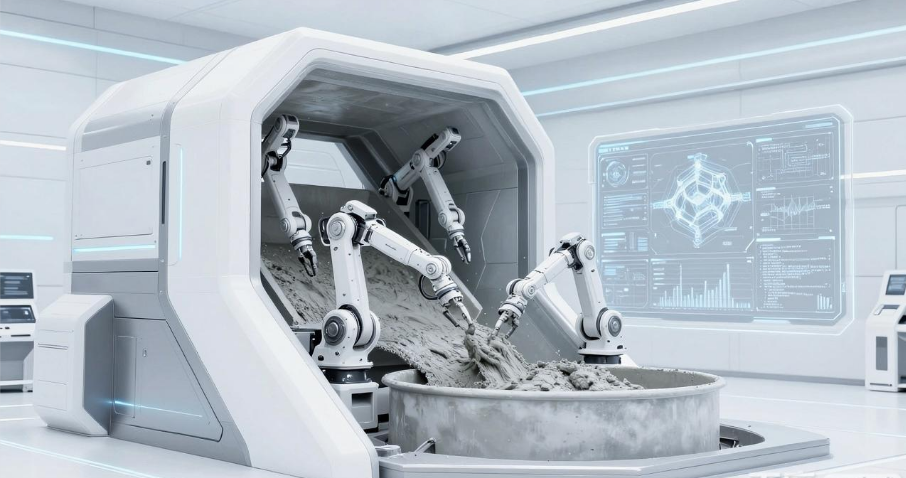
Artificial intelligence is no longer restricted to software applications or text generation. In 2026, the breakthrough trend is Physical AI, where advanced vision systems, edge computing, and real-time machine learning are embedded directly into physical mechanical structures.
- Smart Environment Perception: Advanced sensors and high-speed vision systems allow robots and CNC spindles to safely interact with changing environments.
- Autonomous Adjustment: Instead of triggering a standard machine alarm when an error occurs, Physical AI allows equipment to actively modify its behavior. For example, modern laser cutting machinery can calculate toolpath corrections mid-cut to prevent material waste.
- Humanoid Pilots: Humanoid robots are transitioning from research labs to early-stage industrial pilot phases on factory floors, taking over repetitive, highly hazardous tasks like handling high-heat metals or heavy raw materials.
2. Digital Twins Evolve into Closed-Loop Executable Environments
While digital twin architecture—creating a virtual replica of a physical machine—has been used for years to monitor operations, 2026 introduces closed-loop executable twins.
- Prescriptive Maintenance: Traditional predictive maintenance told operators when a part might fail. Modern prescriptive engines analyze real-time variables like vibration and temperature, then automatically slow down operational speed or adjust feed rates to extend part lifespan until a scheduled maintenance window.
- Simulated Capital Investments: Plant operators now use executable digital twins to rigorously simulate entire manufacturing workflows before committing capital expenditure (CAPEX) to physical modifications.
- Edge-to-Cloud Interoperability: Low-latency edge computing infrastructure processes massive mechanical data points right at the machine level, allowing immediate, autonomous process control without data transmission delays.
3. Sustainability and "Bolt-On" Brownfield Automation
With global environmental, social, and governance (ESG) regulations tightening, carbon footprint tracking is no longer just a corporate reporting metric—it is embedded directly into machining Key Performance Indicators (KPIs).
| Machinery KPI Trend | Impact on Operations |
|---|---|
| Minimum Quantity Lubrication (MQL) | Eliminates massive fluid waste by delivering precise micro-droplets directly to the cutting zone. |
| Real-Time Carbon Tracking | Machine tools now calculate energy draw and raw material waste per part produced. |
| Bolt-On Automation | Retrofitting existing "dumb" machinery with wireless sensors instead of executing costly greenfield demolition. |
Rather than scrapping mechanically sound iron structures, the industry is experiencing massive demand for brownfield retrofitting. By attaching clamp-on current transformers and micro-PLCs, legacy machinery can achieve up to 80% of the efficiency benefits of a brand-new smart machine at a fraction of the capital cost.
Summary for Industry Professionals
The operator’s role on the factory floor is fundamentally shifting. Machinists and plant managers are spending less time reacting to unexpected mechanical breakdowns and more time validating data patterns, tuning prescriptive algorithms, and optimizing system reliability. Enterprises that adopt these AI-native, highly integrated systems early are gaining immediate competitive advantages through lower tool wear, zero unscheduled downtime, and sustainable material footprints.
Request Technical Blueprints & Factory Quotes
Submit your machinery parameters below. Connect directly with verified, certified heavy industrial manufacturers to receive custom foundation drawings, layout schematics, and direct-from-factory pricing.